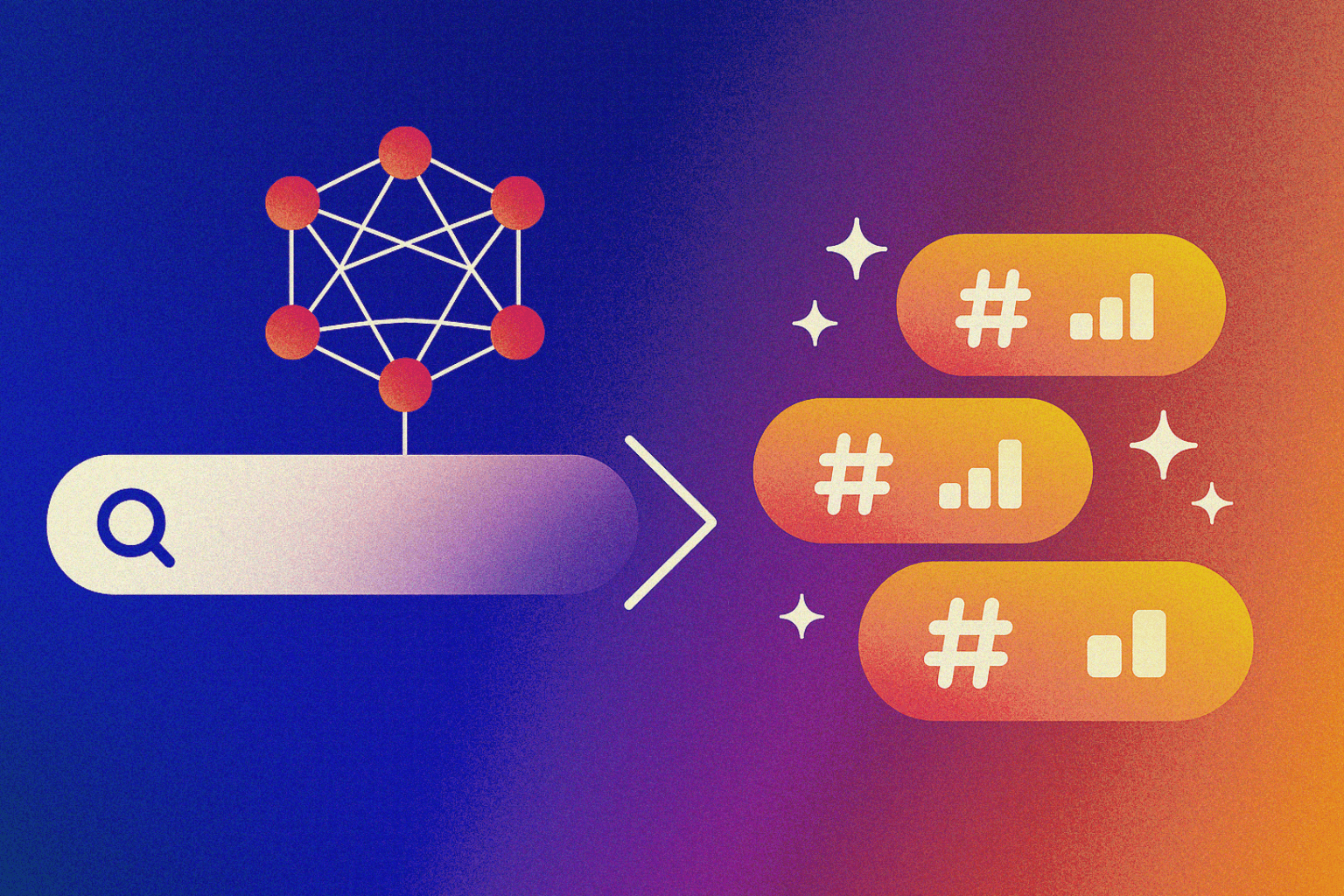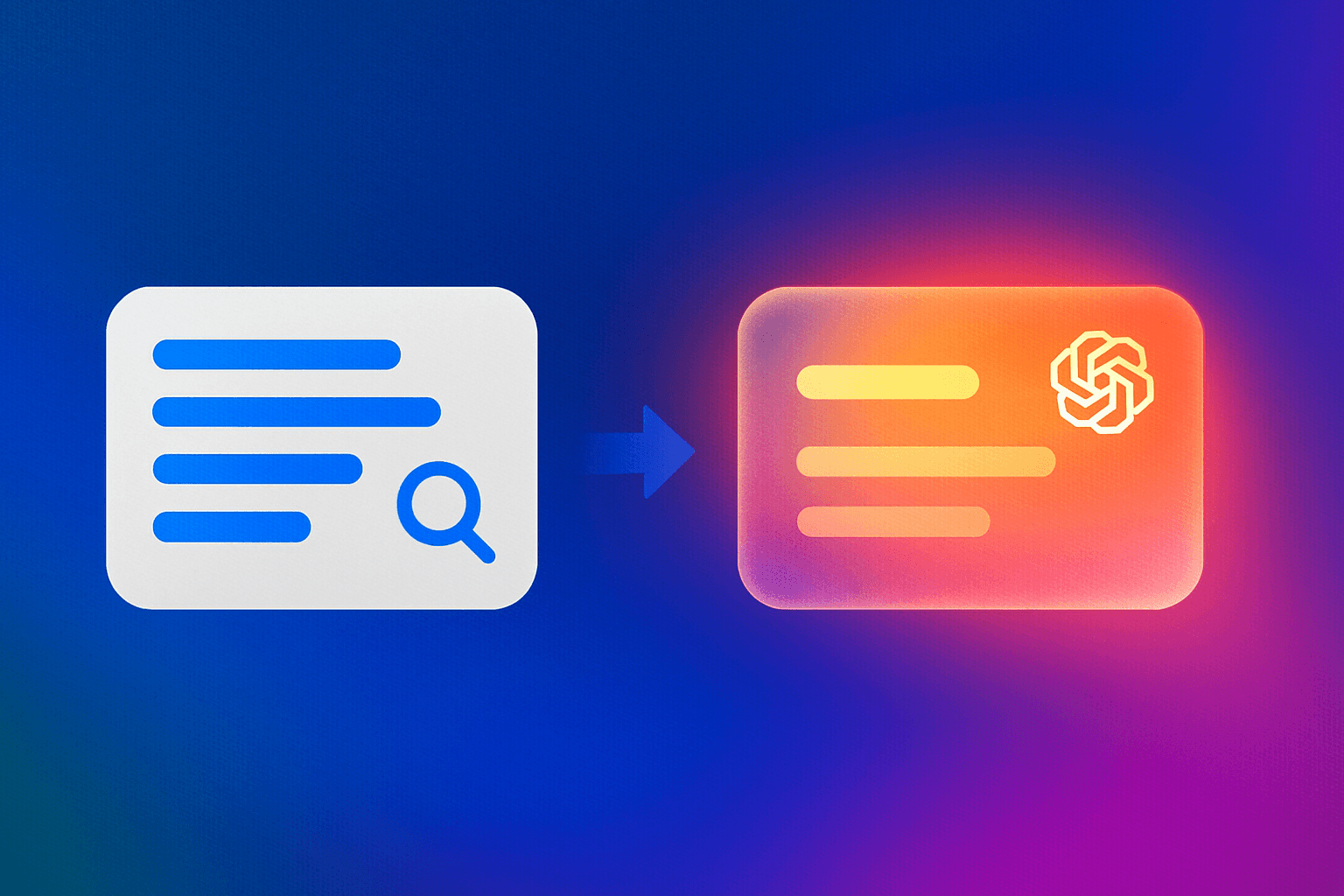
AI search is changing what it means to be visible. The shift isn’t just from SEO to GEO. It’s from ranking pages, to being cited.
"LLM reward plain, boring and reliable HTML "
AI Engines Don’t Browse. They Extract.
Traditional search engines crawl.
AI answer engines extract.
That difference matters more than most teams realize.
Googlebot might render your React app eventually.
But LLM-based systems often work differently:
They pull text blocks fast
They prioritize clean structure
They skip unstable or delayed content
They don’t “wait” for hydration
AI models aren’t visiting your site like a user. They’re ingesting representations of it.
If the representation is incomplete, fragmented, or overly dynamic…you won’t be cited.
The Citation Layer Is the New Ranking Layer
In AI search, visibility looks like this:
Your brand gets mentioned
Your page becomes a source
Your content is quoted or summarized
You’re included in the answer, not just the results
That’s the new top spot.
And the input isn’t backlinks.
It’s readability. Not for humans. For machines.
Why LLMs Prefer “Boring” Websites
Here’s the uncomfortable truth:
The web that performs best for AI is the web that looks like 2012.
Because boring HTML is:
Immediate
Structured
Parseable
Predictable
Fast to extract
LLMs don’t care about your animations.
They care about:
Headings that make sense
Paragraphs that exist on load
Lists that are actually lists
Links that are visible in the DOM
Content that isn’t hidden behind scripts
The more your site depends on client-side assembly, the harder it is to turn into knowledge.
The JavaScript Problem Isn’t SEO, It’s Interpretation
This isn’t about “Google hates JavaScript.”
Google can handle JavaScript.
The problem is that AI systems often don’t.
If your content is rendered only after hydration, you introduce risk:
Crawlers see placeholders
Extractors see nothing
Citation pipelines skip the page
Your content never becomes source material
A page that is technically “indexable” can still be effectively uncitable.
That’s the new failure mode.
What AI Citation-Friendly Rendering Looks Like
If you want LLMs to cite you, your content needs to be:
1. Present Immediately
Your main text should exist in the first response.
Not after scripts load.
Not after user interaction.
Not after scrolling.
If the HTML is empty, the citation opportunity is gone.
2. Structurally Obvious
AI models extract meaning from hierarchy.
Use:
One clear H1
Logical H2 sections
Clean paragraph blocks
Real lists instead of div soup
Semantic structure is machine trust.
3. Stable Across Representations
Your page exists in multiple forms:
Raw HTML
Rendered DOM
Cached snapshots
AI-ingested text
If those don’t match, systems lose confidence.
Consistency beats cleverness.
4. Text-First, Not Interaction-First
AI engines don’t click tabs.
They don’t open accordions.
They don’t hover tooltips.
If key content is hidden behind UI patterns, it’s often invisible upstream.
The best citation content is boring on purpose:
Text, headings, clarity.
5. Metadata That Ships Upfront
If your title, canonical, or schema appears only after client-side rendering, scrapers miss it.
AI pipelines miss it. Your <head> still matters. A lot.
GEO Isn’t Just Writing. It’s Rendering.
Most people treat GEO as a content strategy problem.
But citation is technical. AI visibility depends on whether your content can be reliably extracted and re-used.
That’s not marketing fluff. That’s infrastructure. If your page is beautiful but unreadable to machines, you’re optimizing for humans only and AI search is not human.
Final Thought: The Future Belongs to the Parsable
In the next era of search, the winners won’t just be the most authoritative.
They’ll be the most usable as sources. LLMs don’t cite the coolest website.
They cite the clearest one. So yes, boring HTML is back.
Not because the web is regressing but because machines need stability before they can give you visibility.
Rendering is now part of your brand surface and citations are the new clicks.