AI visibility tools are everywhere now. Some track mentions in ChatGPT. Some track citations in Perplexity. Some give you dashboards, scores, share-of-voice charts, prompt libraries and competitor comparisons.
“Do AI search engines understand and mention us when people ask about our category?”
Does AI mention us when buyers ask about our category?
You can answer that manually.
Start with the questions your customers actually ask. Not polished SEO keywords. Real prompts.
For example:
“Best tools for tracking AI visibility”
“How do I get mentioned in ChatGPT answers?”
“Best GEO consultants for SaaS”
“Alternatives to [competitor]”
“Is [your brand] good for AI SEO?”
“AI visibility agency in Germany”
Create 20 to 40 prompts across five groups: problem, solution, comparison, brand, and local intent.
Then test them in ChatGPT, Perplexity, Gemini, and Claude.
Use a simple spreadsheet. Track:
Prompt
AI engine
Date
Was your brand mentioned?
Was it recommended?
Was it cited?
Which competitors appeared?
Which sources were used?
Was the brand description accurate?
What action is needed?
Keep the scoring simple:
0 means absent.
1 means mentioned.
2 means mentioned positively.
3 means recommended or cited.
Do not obsess over the score. Look for patterns.
If competitors appear and you do not, study them.
Why are they there?
Maybe they are in every “best tools” list. Maybe their positioning is clearer. Maybe they have better comparison pages. Maybe they are mentioned by trusted third-party sites. Maybe their content is easier for AI to extract.
That is where the audit becomes useful.
Next, check how AI describes your brand.
Ask:
“What does [brand] do?”
“Who is [brand] best for?”
“What are the pros and cons of [brand]?”
“What are alternatives to [brand]?”
If the answers are vague, outdated, or wrong, your brand signals are weak. Fix your homepage, about page, author bios, LinkedIn profiles, schema, directories, and external descriptions. AI builds confidence through repetition. Confusion also compounds.
Then audit your own website like a machine would.
Can the page be understood without design, animation, or context?
Check for clear headings, direct answers, visible author information, updated dates, internal links, schema, real examples, and content available in the HTML.
AI needs source material. Make the important parts easy to extract.
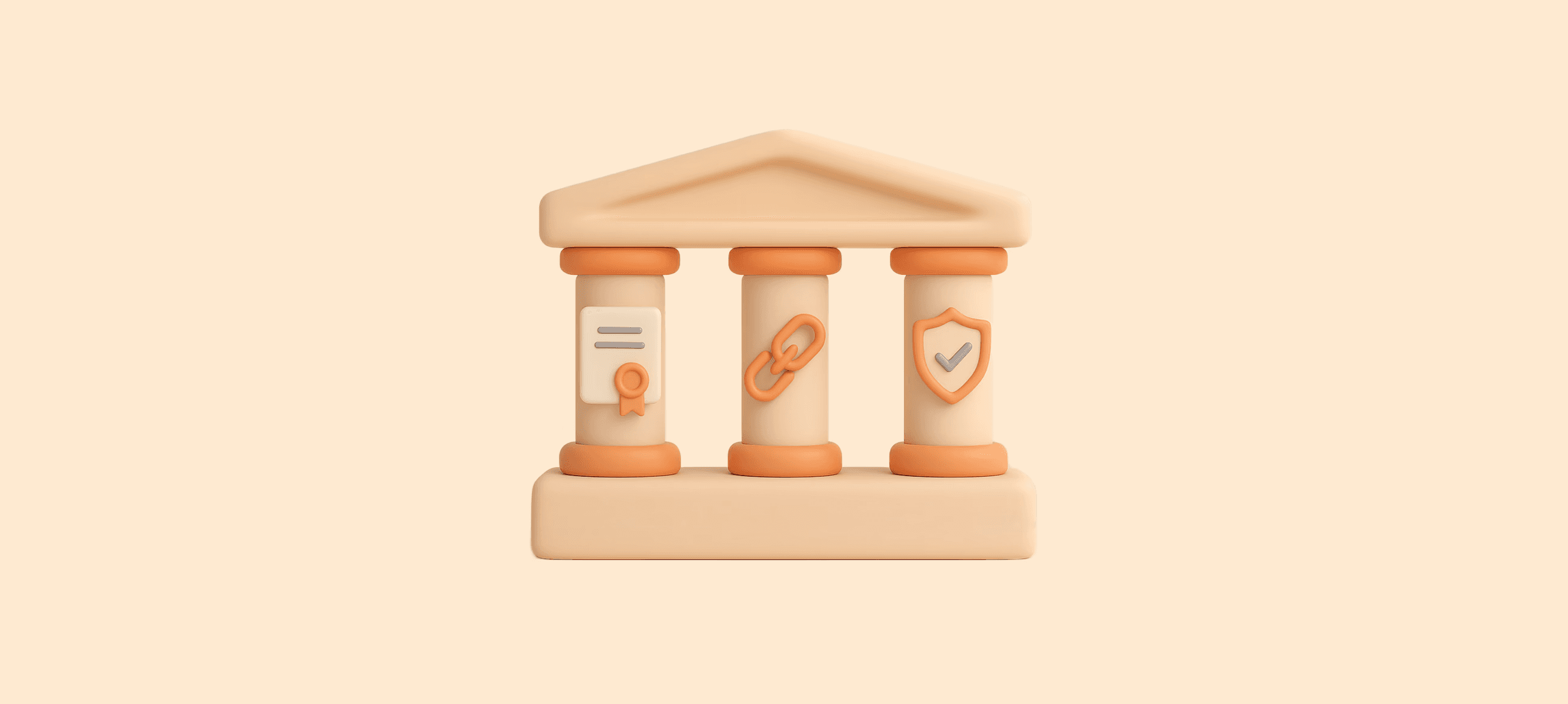
Finally, separate the gaps:
Owned content: Do you answer buyer questions clearly?
Earned presence: Do credible third-party sites mention you?
Technical access: Can machines read your pages properly?
Most visibility problems sit in one of those three buckets.
Run the same audit every month. Keep the prompts mostly stable. Track mentions, recommendations, citations, competitors, and accuracy over time.
Paid GEO tools make sense later, when you need scale, reporting, alerts, or multi-market tracking.
But start manually.
You will learn more from 40 messy prompts than from a polished dashboard you do not understand.
AI visibility comes from clear positioning, useful content, technical accessibility, and third-party trust.
A manual audit shows where the gap is.
Then you can fix it.