Programmatic SEO isn’t new. What is new is how AI changes the execution layer; speed, scale, and flexibility are no longer constraints.
“Scaling pages is easy. Scaling value is what separates programmatic SEO that ranks from the one that gets ignored.”
What Programmatic SEO Actually Is
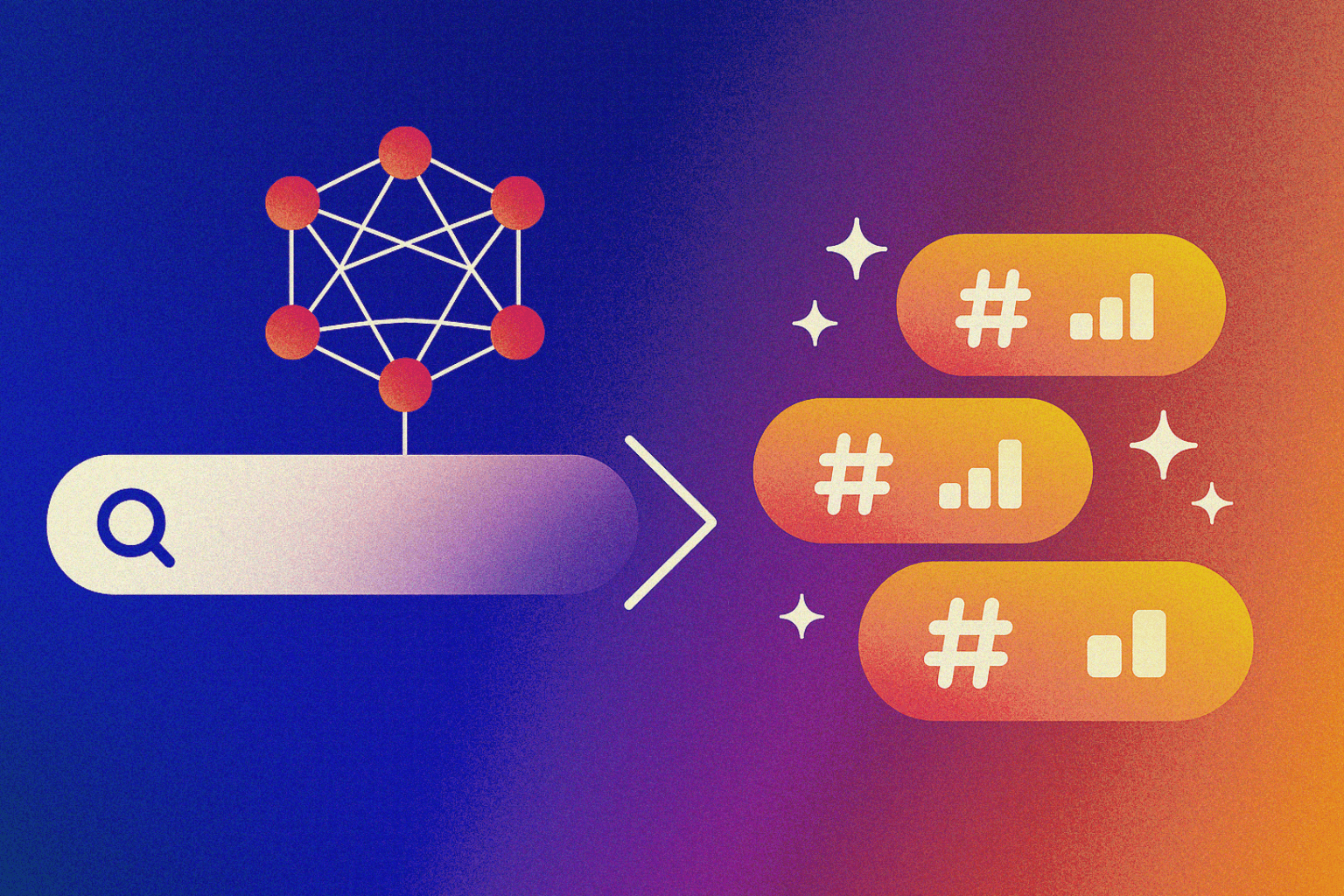
At its core, programmatic SEO is about creating pages using templates.
You define a structure once, then generate many pages from it using data.
Common examples include:
• Best hotels in [city]
• SEO agencies in [location]
• Product prices in [country]
The system is simple:
• Build a template
• Add structured data
• Generate pages at scale
AI can speed this up, but it cannot fix a weak foundation.
Where AI Fits In
Before AI, programmatic pages were often rigid and repetitive.
Now you can:
• Generate more natural, readable content
• Adapt sections based on context
• Reduce obvious duplication
But this introduces a new problem.
As scale increases, quality control becomes harder.
AI makes it easier to produce content. It does not guarantee that content is useful.
A Simple Workflow
Identify scalable keyword patterns
Focus on repeatable structures, not individual keywords.Build real data sources
Locations, products, categories, attributes. The stronger the data, the stronger the pages.Design a flexible template
Keep the core structure consistent, but allow variation in key sections.Use AI as an enhancer, not a strategy
AI should improve clarity and coverage, not replace thinking.Introduce meaningful variation
Change more than the keyword. Add unique data, internal links, and contextual differences.
Common Mistakes
• Publishing large volumes of low quality pages
• Weak or missing internal linking
• Ignoring search intent
• Relying on thin or duplicated data
Scaling a bad system just produces more bad pages.
Where It Works Best
Programmatic SEO performs well when there is clear structure and data.
Typical use cases include:
• Directories
• Marketplaces
• Comparison pages
• Location based pages
The Real Advantage
The value is not just scale. It is coverage.
You can target thousands of long tail queries that individually have low volume, but collectively drive consistent traffic.
Final Thought
Programmatic SEO with AI only works if the system behind it is solid.
Strong data and clear structure lead to sustainable results.
Without that, you are not scaling content.
You are scaling problems.